Friday, February 16, 2018


Football Player Transfer Prediction
Football Player Transfer Prediction Using Different Classifiers
Project Report : Football Player Transfer Prediction Report
DataSet : LINK
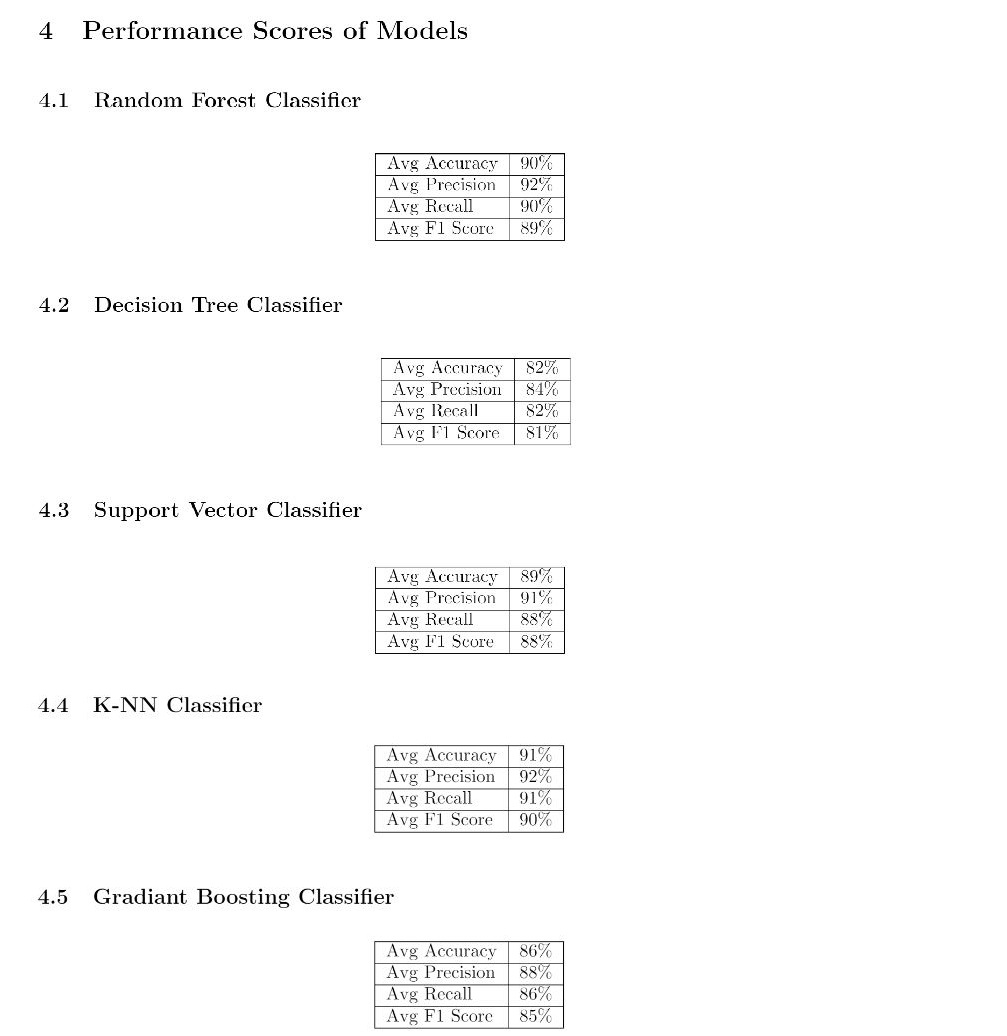
Football Player Transfer Dataset
Dataset Documention: Football Player Transfer Dataset Documention
Dataset: Football Player Transfer Dataset

Saturday, January 27, 2018
Use of CFGs for Parsing OPEN
We can think of using CFGs to detect various language constructs in the token streams freed from simple
syntactic and semantic errors, as it is easier to describe the constructs with CFGs. But CFGs are hard to
apply practically. In this session we first exercise on simpler implementations of CFGs, and then
implement the FIRST and FOLLOW functions that facilitate efficient parsing algorithms for practical
problems.
syntactic and semantic errors, as it is easier to describe the constructs with CFGs. But CFGs are hard to
apply practically. In this session we first exercise on simpler implementations of CFGs, and then
implement the FIRST and FOLLOW functions that facilitate efficient parsing algorithms for practical
problems.
Session 5 by Nafis Islam on Scribd
Friday, January 5, 2018
Detecting Simple Syntax Errors
Syntax errors are very common in source programs. Suppose, a given C source program has been scanned, filtered, lexically analyzed and tokenized as that were done in earlier sessions. In addition, line numbers have been assigned to the source code lines for generating proper error messages. As the first step to Syntax Analysis, we now perform detection of simple syntax errors like duplication of tokens except parentheses or braces, Unbalanced braces or parentheses problem, unmatched ‘else’ problem, etc
Session 4 by Nafis Islam on Scribd
Symbol Table Generation
A given C source program has been scanned, filtered and then lexically analyzed as it was done in Session 2. We have all the lexemes marked as different types of tokens like keywords, identifiers, operators, separators, parentheses, numbers, etc. We now get corrected the unknown lexemes first, and then generate a Symbol Table describing the features of the identifiers. Finally, we generate a modified token stream in accordance with the Symbol Table for processing by the next phase, that is, Syntactic Analysis
Session 3 by Nafis Islam on Scribd
Lexical Analysis
we have a C source program scanned and filtered as it was done in Session 1. We now take that modified file as input, and separate the lexemes first. We further recognize and mark the lexemes as different types of tokens like keywords, identifiers, operators, separators, parenthesis, numbers, etc.
Session 2 by Nafis Islam on Scribd
Thursday, January 4, 2018
Scanning and Filtering a Source Program
You are given a C source program with single and multiple line comments. As the first step toward compilation you need to remove the comments and white space (extra spaces, tabs and newline characters). Develop a program that takes as input file the given source program and produces a filtered file as stated above. The program must also display both the files.
Session 1 by Nafis Islam on Scribd
Sunday, December 17, 2017
Wednesday, November 22, 2017
Into to Meta-Heuristics
Meta-heuristic হল একটি primary field of stochastic optimization.
Stochastic optimization হল the general class of algorithm and techniques যা randomness use করে optimal বা optimal এর কাছাকাছি solution বের করে আনে।
•যে সকল problem এ আমরা আগে থেকে বুঝতে পারি না যে, optimal solution কেমন হতে পারে।
•যে সকল problem এ আমরা জানি না, principal way তে কিভাবে solution এর দিকে আগাব।
•যে সকল problem এ, brute-force search impossible কারন search space অনেক বড়।
কিন্তু আমাদের কাছে ঐ problem এর কোন candidate solution দিলে test করে দেখতে পাড়ব solution তা কত ভাল।সে সকল problem এ meta-heuristic use করা হয়।
“Meta-heuristics are applied to I know it when I see it problem”
এরকম কোন problem এর সামনে পরলে সবচেয়ে simplest thing যা করতে পারি তা হল random search, আমরা random solution বের করব যতক্ষণ আমাদের কাছে time আছে, সবচেয়ে best solution return করব।
কিন্তু random search এর আগে একটা alternative পথ দেখতে পারি।
আমরা প্রথমে random solution নেই। এই solution একটা ছোট এবং random modification করি। এখন নতুন solution test করি।
যদি দেখি current solution better হয় then old solution ফেলে দিব। যদি না হয় তাহলে current solution ফেলে দিব।
এখন বর্তমান হাতে যে solution আসে তার উপর ছোট ও random modification করব। এভাবে যতক্ষণ পারা যায় repeat করতে থাকব।
এই পধতি কে বলে hill-climbing.এটি হল একটি simple meta-heuristic algorithm.
"It exploits a heuristic belief about your space of candidate solutions which is usually true for many problems: that similar solutions tend to behave similarly (and tend to have similar quality), so small modifications will generally result in small, well-behaved changes in quality, allowing us to “climb the hill” of quality up to good solutions. This heuristic belief is one of the central defining features of meta-heuristics: indeed, nearly all meta-heuristics are essentially elaborate combinations of hill-climbing and random search."
Meta-heuristic দারা যে সকল problem tackle করা যায় সে সকল problem হল sub-class of inverse problem।
Inverse problem কে আমারা এভাবে কল্পনা করতে পাড়ি, মনে করি আমাদের কাছে একটি test function আছে f() যেটা parameter হিসেবে একটি candidate solution কে নিবে এবং ওই solutionটির একটি assessment বা fitness return করবে।
কিন্তু এটা মোটামোট impossible উপরের functionটির inverse function f-1() তৈরি করা যা assessment বা fitness parameter হিসেবে নেয় এবং এমন একটি candidate solution return করবে যার ঐ assessment or fitness থাকবে।
Optimization methods(Meta-heuristic) design করা হয়েছে inverse problem কে overcome করতে।
Stochastic optimization হল the general class of algorithm and techniques যা randomness use করে optimal বা optimal এর কাছাকাছি solution বের করে আনে।
•যে সকল problem এ আমরা আগে থেকে বুঝতে পারি না যে, optimal solution কেমন হতে পারে।
•যে সকল problem এ আমরা জানি না, principal way তে কিভাবে solution এর দিকে আগাব।
•যে সকল problem এ, brute-force search impossible কারন search space অনেক বড়।
কিন্তু আমাদের কাছে ঐ problem এর কোন candidate solution দিলে test করে দেখতে পাড়ব solution তা কত ভাল।সে সকল problem এ meta-heuristic use করা হয়।
“Meta-heuristics are applied to I know it when I see it problem”
এরকম কোন problem এর সামনে পরলে সবচেয়ে simplest thing যা করতে পারি তা হল random search, আমরা random solution বের করব যতক্ষণ আমাদের কাছে time আছে, সবচেয়ে best solution return করব।
কিন্তু random search এর আগে একটা alternative পথ দেখতে পারি।
আমরা প্রথমে random solution নেই। এই solution একটা ছোট এবং random modification করি। এখন নতুন solution test করি।
যদি দেখি current solution better হয় then old solution ফেলে দিব। যদি না হয় তাহলে current solution ফেলে দিব।
এখন বর্তমান হাতে যে solution আসে তার উপর ছোট ও random modification করব। এভাবে যতক্ষণ পারা যায় repeat করতে থাকব।
এই পধতি কে বলে hill-climbing.এটি হল একটি simple meta-heuristic algorithm.
"It exploits a heuristic belief about your space of candidate solutions which is usually true for many problems: that similar solutions tend to behave similarly (and tend to have similar quality), so small modifications will generally result in small, well-behaved changes in quality, allowing us to “climb the hill” of quality up to good solutions. This heuristic belief is one of the central defining features of meta-heuristics: indeed, nearly all meta-heuristics are essentially elaborate combinations of hill-climbing and random search."
Meta-heuristic দারা যে সকল problem tackle করা যায় সে সকল problem হল sub-class of inverse problem।
Inverse problem কে আমারা এভাবে কল্পনা করতে পাড়ি, মনে করি আমাদের কাছে একটি test function আছে f() যেটা parameter হিসেবে একটি candidate solution কে নিবে এবং ওই solutionটির একটি assessment বা fitness return করবে।
কিন্তু এটা মোটামোট impossible উপরের functionটির inverse function f-1() তৈরি করা যা assessment বা fitness parameter হিসেবে নেয় এবং এমন একটি candidate solution return করবে যার ঐ assessment or fitness থাকবে।
Optimization methods(Meta-heuristic) design করা হয়েছে inverse problem কে overcome করতে।
Subscribe to:
Posts (Atom)
-
This Project has been designed and developed for fulfillment of my 2nd year,1st semester Project Work. Video:
-
 Problem Type : BFS , math , greedy , shortest path Problem link: Two Buttons this was a very interesting for me. This problem asks u...
